
mirror with frosted glass border
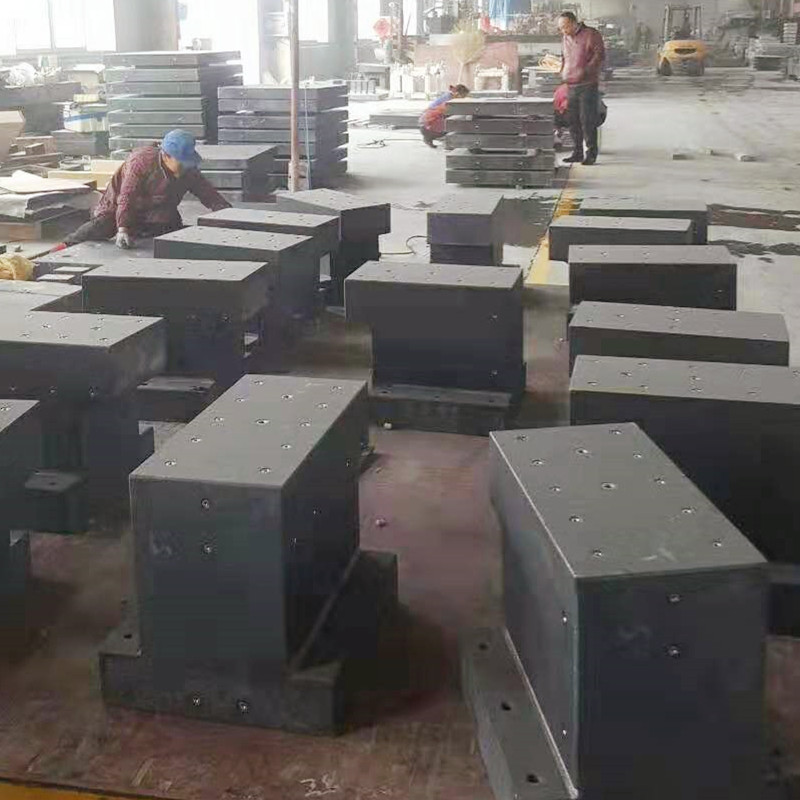
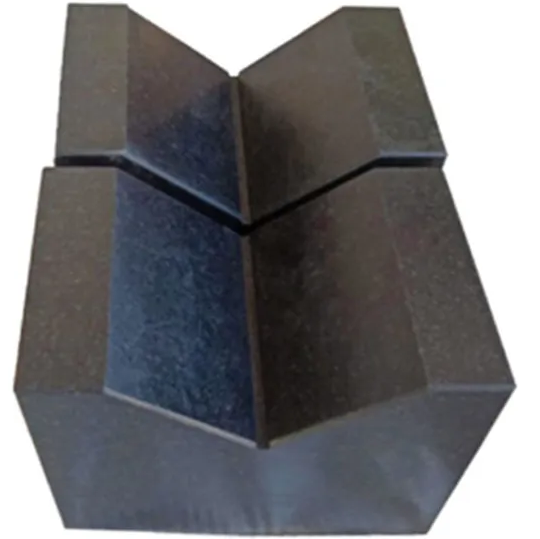
Superior Precision with Granite V Blocks The Granite V-frame is a benchmark measuring tool crafted from premium natural stone materials. As an ideal reference plane for inspecting instruments, tools, and mechanical components, these precision granite plates deliver exceptional performance in demanding metrology applications. Made from carefully selected granite blocks, granite v blocks offer thermal stability, superior wear resistance, and vibration damping characteristics unmatched by metal alternatives. For manufacturers requiring micrometer-level accuracy, granite v blocks provide the dimensional stability needed for quality control processes. Unlike tool steel or cast iron fixtures, precision granite surfaces maintain flatness within microns across decades of industrial use. The combination of high rigidity and natural vibration absorption makes granite an optimal material for inspection processes. Key applications of granite v blocks include: Precision shaft and cylindrical part measurement Calibration of micrometers, gauges and instruments Metrology laboratory reference standards Coordinate Measuring Machine setup and verification Alignment of CNC machine components Quality assurance stations in manufacturing Technical Specifications: Granite Surface Plates The metrology industry has standardized specifications for granite v blocks based on ANSI and ISO requirements. These specifications cover critical parameters including flatness tolerance, parallelism, and hardness that determine performance in precision measurement environments. Parameter Industrial Grade Laboratory Grade Calibration Grade Material Flatness Tolerance ±0.005 mm ±0.002 mm ±0.0005 mm Class 2 Granite Surface Finish (Ra) 0.8 μm 0.4 μm 0.2 μm Class 1 Granite Compressive Strength 180 MPa 210 MPa 250 MPa Black Granite Thermal Expansion 4.6 μm/m°C 3.8 μm/m°C 3.1 μm/m°C Fine-Grained Granite Vibration Damping 12X better than cast iron 15X better than cast iron 20X better than cast iron Premium Stone Parallelism ±0.01 mm ±0.005 mm ±0.001 mm Precision Cut Granite Industry trends show increasing demands for higher precision granite v blocks in aerospace (65% of premium-grade users) and optical manufacturing sectors. The stability data shows that properly maintained granite plates retain calibration within ±5% of original specifications even after 15 years of industrial service. "Granite metrology equipment remains the gold standard for dimensional measurement due to its unmatched stability characteristics. The thermal inertia and vibration damping properties of properly conditioned granite far exceed those of steel or ceramic alternatives." – International Journal of Precision Engineering (Source: https://www.ijpe-online.com/granite-metrology-review ) Industry Applications & Innovation Trends Precision granite v blocks have become indispensable across manufacturing sectors requiring micrometer-level accuracy. As production tolerances tighten in aerospace, automotive and electronics industries, granite inspection tools deliver the stability needed for reliable quality control. The automotive sector utilizes granite fixtures for 78% of transmission component measurements while aerospace manufacturers rely on precision granite platforms for 92% of turbine blade inspection processes. The shift to tighter tolerances in electric vehicle components has increased demand for grade 00 calibration plates by 200% since 2020. Emerging innovations in granite metrology include: Hybrid granite-composite materials with enhanced vibration damping Temperature-compensated granite platforms with embedded sensors CNC-machined granite fixtures with integrated mounting systems Laser-verified flatness certification with digital records Modular granite systems for flexible measurement configurations Metrology experts predict that by 2028, over 60% of industrial granite v blocks will incorporate embedded IoT sensors for real-time thermal compensation. This evolution will address the primary limitation of granite instruments while enhancing their natural advantages. Granite Metrology: Expert FAQ What granite properties make it superior to metal for precision measurement? Granite has three critical advantages: thermal stability (10x less expansion than steel), vibration damping (15-20x better than cast iron), and wear resistance. These properties ensure measurement consistency across temperature variations and prevent surface deformation from routine use. How often should granite surface plates be calibrated? Calibration frequency depends on usage grade: Industrial plates (every 12 months), laboratory plates (every 6 months), calibration-grade plates (every 3 months). Heavy-use environments may require quarterly verification using optical flat interferometry or electronic levels. What are the standard dimensions for industrial granite V blocks? Standard granite V blocks range from 150mm to 900mm in length, with the most common industrial sizes being 300mm x 300mm x 100mm and 450mm x 450mm x 150mm. Custom sizes with tolerances to ±0.001mm are available for specialized metrology applications. How does granite grade affect measurement accuracy? Granite grades are classified by porosity and grain structure. Metrology-grade granite has less than 0.5% porosity and uniform grain under 0.5mm. Higher grades provide better flatness retention - AA grade maintains ±0.001mm/m²/year while standard grade may deviate ±0.003mm/m²/year. What mounting considerations apply to granite measuring equipment? Proper mounting requires three-point support on vibration-isolated stands, with weight evenly distributed. Thermal effects mandate installation away from direct sunlight, heating vents, or machinery with >1°C/hour temperature variation. Leveling accuracy should exceed 0.02mm/m using precision machinist levels. How should granite inspection equipment be maintained? Use pH-neutral granite cleaner weekly and re-seal surfaces annually with specialized stone impregnators. Always protect surfaces with covers when not in use. Never slide metal objects directly on the surface - use lifting fixtures. Temperature management is critical - maintain environment at 20°C ±1°C. What certification standards apply to precision granite instruments? Major standards include: ISO 8512-2 (dimensional accuracy), ASME B89.3.7 (thermal stability), DIN 876 (flatness verification), and JIS B 7516 (material specifications). Calibration certificates should document compliance with these standards through traceable NIST methods. Storaen Precision Manufacturing Solutions As a global leader in precision measurement systems, Storaen (Cangzhou) International Trading Co. provides engineered granite solutions across aerospace, automotive and precision engineering sectors. Our manufacturing facility in Hebei Province combines automated CNC machining with artisan craftsmanship to produce measurement instruments with uncompromised accuracy. Our Granite V-frame product line incorporates three generations of metrology expertise, delivering: DIN 876 Grade 00 laboratory-certified flatness Optically calibrated surfaces with Ra 0.2μm finishes Thermal-stabilized granite cores selected for minimal hysteresis Integrated leveling systems with micron adjustment Digital calibration certificates with 3D surface mapping data All Storaen granite v blocks undergo stringent validation including: Material Verification Ultrasonic testing for internal flaws, density analysis ≥2.7g/cm³, and petrographic examination ensuring uniform crystalline structure. Precision Machining Computer-controlled milling achieves tolerances within 0.005mm/m². Final lapping by master technicians ensures optical-grade surfaces. Experience Unmatched Measurement Precision As manufacturing tolerances continue to tighten, precision granite v blocks remain the foundation of reliable metrology systems. With thermal stability that outperforms metal alternatives by an order of magnitude and vibration damping characteristics crucial for modern production environments, granite measurement platforms deliver decades of consistent accuracy. Partner with Storaen International for granite solutions engineered to exceed your most demanding quality requirements. Request Technical Specifications Technical References & Industry Research NIST Guidelines for Granite Metrology Standards - National Institute of Standards and Technology ASME B89.3.7-2010: Granite Surface Plates Standard - American Society of Mechanical Engineers Thermal Characteristics of Metrology Grade Granite - International Journal of Precision Engineering (2023) Granite vs. Steel in Precision Measurement Applications - International Metrology Forum DIN 876:2015 Testing of Surface Plates - German Institute for Standardization ISO 8512-2:2018 Dimensional Measuring Equipment - International Organization for Standardization
about
mirror with frosted glass border
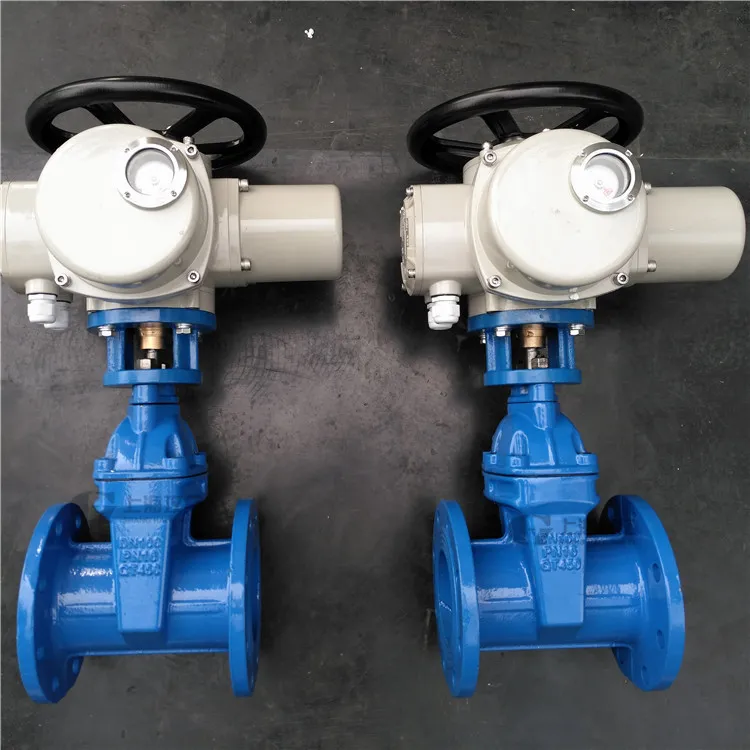
Jak najít hlavní uzavírací ventil na vodu Každý z nás se může ocitnout v situaci, kdy dojde k úniku vody, ať už v domácnosti, nebo na zahradě. Taková nehoda si vyžaduje okamžitou reakci, abychom předešli větším škodám. Klíčovým krokem v tomto procesu je rychlé a efektivní nalezení hlavního uzavíracího ventilu na vodu. V tomto článku se podíváme na to, jak tento ventil najít a proč je důležité vědět, kde se nachází. Co je hlavní uzavírací ventil? Hlavní uzavírací ventil na vodu je zařízení, které se nachází na přívodu vody do vašeho domova. Tento ventil umožňuje přerušit tok vody do celé domácnosti. Je důležité mít vědomosti o jeho umístění, abyste mohli rychle reagovat na případné havárie. Bez této znalosti se můžete ocitnout v situaci, kdy vzniklou škodu nelze snadno opravit. Jak najít hlavní uzavírací ventil 1. Zkontrolujte okolí vodoměru Většina hlavních uzavíracích ventilů je umístěna poblíž vodoměru, který měří spotřebu vody. Podívejte se na místo, kde je vodoměr umístěn, a hledejte ventil, který se obvykle nachází na potrubí. 2. Procházejte dům Pokud nemůžete najít ventil v blízkosti vodoměru, procházejte dům a hledejte místa, kde je voda přiváděna. Ventil může být také umístěn v suterénu, sklepě nebo prostorech pod schodištěm. Jak najít hlavní uzavírací ventil na vodu 4. Ptejte se sousedů nebo odborníků Pokud se vám stále nedaří ventil nalézt, nebojte se požádat sousedy o radu nebo se obrátit na odborníka. Ti vám mohou poskytnout užitečné informace, které vám pomohou ventil snadno najít. locating water shut off valve Jak správně ventil používat Jakmile najdete hlavní uzavírací ventil, je důležité vědět, jak ho správně používat - Uzavření ventilu Většina ventilů je otočná. Otočte ventil ve směru hodinových ručiček, dokud se nezastaví. Tímto způsobem se přeruší tok vody do vašeho domu. - Otevření ventilu Pokud potřebujete znovu obnovit dodávku vody, otočte ventil proti směru hodinových ručiček. Prevence a údržba Jedním z nejlepších způsobů, jak se vyhnout panice v případě úniku vody, je pravidelně kontrolovat a udržovat hlavní uzavírací ventil. Ujistěte se, že je ventil snadno přístupný a není zakrytý nábytkem nebo jinými předměty. Zkontrolujte také, zda ventil správně funguje a nezrezivěl. Pokud máte podezření, že ventil může být poškozený, neváhejte požádat odborníka o prohlídku. Závěr Najít hlavní uzavírací ventil na vodu může vypadat jako triviální úkol, ale je to klíčový krok v ochraně vašeho domova před škodami způsobenými vodou. Vědět, kde se nachází, a jak ho správně používat, vám může ušetřit spoustu času, peněz a stresu v případě nouze. Nezapomeňte tento ventil pravidelně kontrolovat a udržovat, abyste byli připraveni na jakoukoliv situaci.
-

High quality industrial productsagement

High quality industrial products
View Details -

Meet the diverse needs of customers

Meet the diverse needs of customers
View Details -

Strict quality control

Strict quality control
View Details -

Top raw materials

Top raw materials
View Details -

Trusted supplier

Trusted supplier
View Details
Our application

news and information

Using a Right Angle Ruler for Accurate Measure and Design in Everyday Projects
The Versatility of the Ruler with Right Angle A Tool of Precision and Creativity The ruler with a ri
Ustawiony wskaźnik
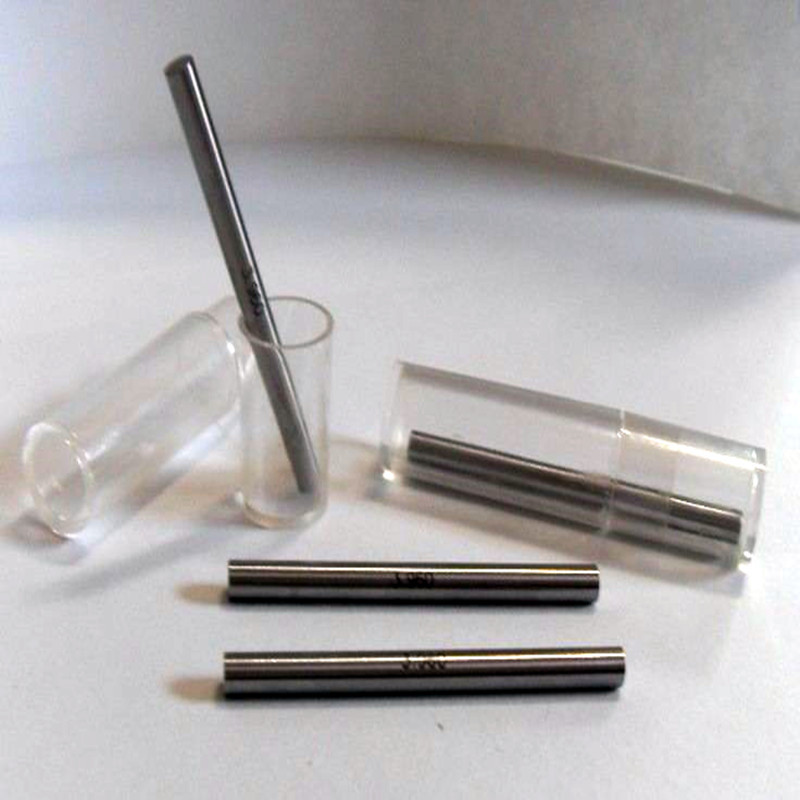
Zestaw wskaźników pinowych – niezastąpione narzędzie w precyzyjnym pomiarze W dzisiejszym świecie, g
Water Hose Valve Options for Efficient Gardening and Outdoor Watering Solutions
Understanding the Water Hose Valve A Key Component for Efficient Water Management In the modern worl
 English